
Architectural Powder Coating Fire Resistance, Safety and Gateway 2 Compliance
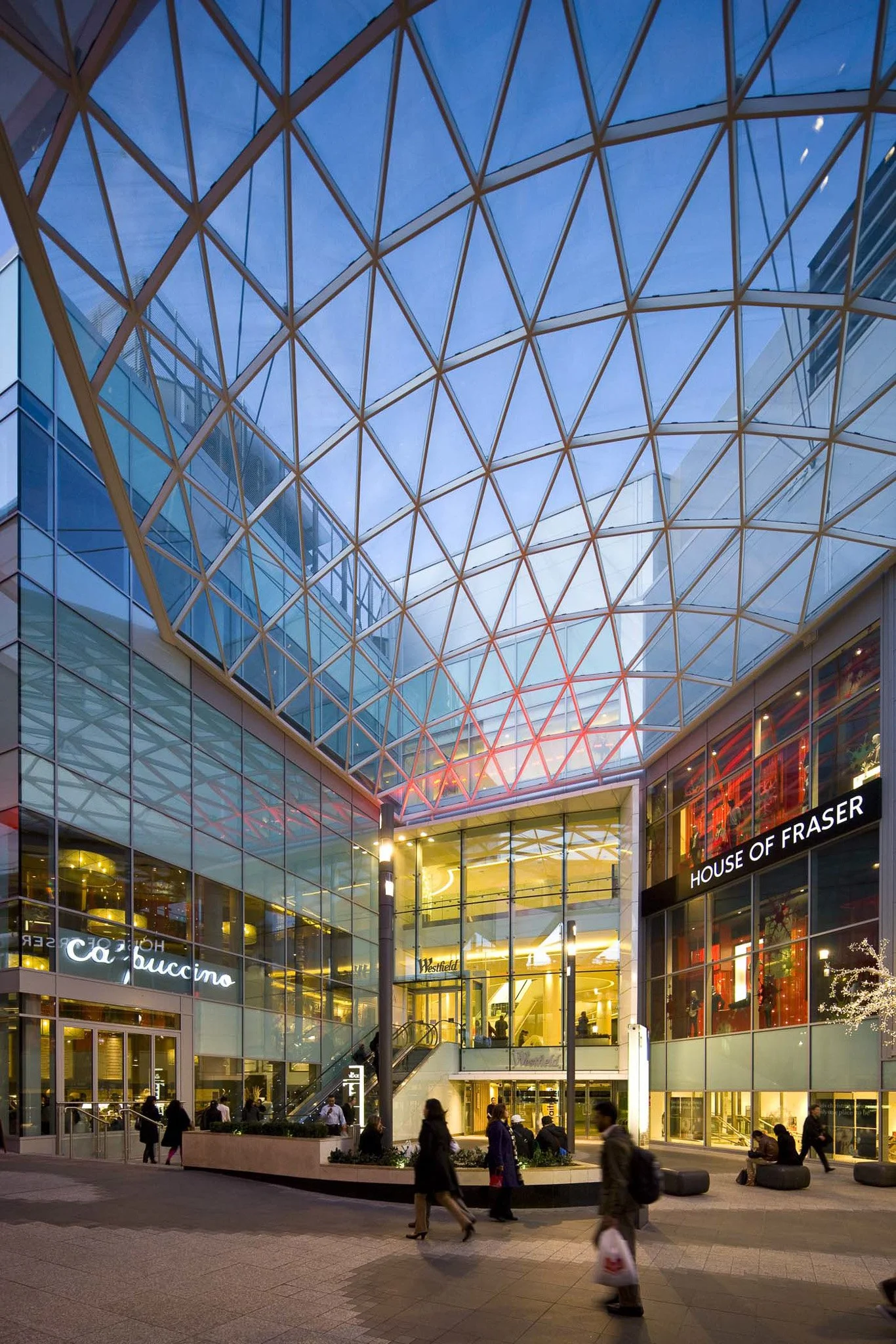
Typical installation of aluminium in facades and glazed roofing
Architectural powder coatings play an essential role in the safety, performance, and aesthetic durability of modern building façades. Beyond their visual appeal and long-term weather resistance, these coatings are increasingly being evaluated for their contribution to fire safety. Powder coated aluminium systems, when correctly specified, applied and tested, provide finishes that meet the stringent reaction to fire classifications of A2-s1,d0 under EN 13501-1. This ensures that the coating system does not significantly contribute to the spread of flame or smoke in the event of a fire which is a critical requirement for high-rise and multi-occupancy buildings.
Reaction to fire in architectural coatings is not achieved by the powder alone but through the integration of the entire system including the aluminium substrate, pre-treatment, and coated finish. Non-combustible aluminium finished with approved architectural powders create a durable, stable façade solution that can withstand high temperatures without igniting or releasing harmful fumes. Many architectural powders are formulated to meet Class 1 or Class 0 standards under UK Building Regulations, offering specifiers confidence that these finishes will perform safely when tested as part of a complete façade system.
In the wake of the Building Safety Act and the introduction of Gateway 2, the regulatory focus on product safety and system compliance has intensified. Gateway 2 represents the stage at which all fire and structural safety information must be fully demonstrated before construction begins. This includes detailed evidence of the fire performance of external wall systems meaning that powder-coated aluminium systems must be supported by third-party testing, product certification, and compliance documentation. Coating applicators and system suppliers must therefore ensure that every component, including the powder coat finish, aligns with the project’s approved fire safety strategy.
Whist the QUALICOAT Specification and EN 12206-1 do not mention reaction to fire, achieving an A2-s1, d0 fire classification under EN 13501-1 depends significantly on the thickness of the powder coating applied to aluminium components. A consistent, controlled film build ensures the coating contributes minimal combustible material to a fire scenario, helping maintain the substrate’s non-combustibility. Excessive thickness can increase fuel load and smoke generation, jeopardising the s1 and d0 ratings, while insufficient coverage can compromise the integrity and performance of the finish. By applying the powder coating within the powder manufacturer’s specified micron range and ensuring uniform curing, powder coaters can achieve the balance required to meet stringent A2-s1, d0 performance criteria.
From a compliance standpoint, manufacturers following the QUALICOAT Specification have a solid foundation for Gateway 2 readiness. Licensed QUALICOAT approved powder coat applicators constantly check all process parameters including tests for durability, adhesion, and resistance to UV and corrosion, plus powder thickness which is vital for ensuring that the reaction to fire performance of the final façade is achieved. However, Gateway 2 goes further by demanding coating traceability and demonstrable proof of conformity. This requires close collaboration between powder manufacturers, applicators, façade fabricators, and fire engineers.
Ultimately, architectural powder coating is no longer just a matter of aesthetics or corrosion protection, it is integral to overall building safety. By specifying systems that are fire-tested, third-party certified, and compliant with Gateway 2 documentation requirements, architects and developers can ensure their façades not only look exceptional but also meet the highest standards of safety and accountability. As the Construction Industry continues to evolve under new regulatory scrutiny, the role of compliant, high-performance powder coatings in achieving safe, sustainable architecture has never been more important.
Powder coaters are increasingly seeking QUALICOAT licensing to demonstrate proven quality, reliability, and compliance in a more demanding architectural and construction environment. The QUALICOAT licence is a globally recognised quality label for the coating of aluminium and its alloys, ensuring that the entire process, from pre-treatment through to final curing, meets strict international standards. As building regulations tighten and clients demand greater transparency in product performance, holding QUALICOAT approval has become a mark of professional credibility and technical excellence.
Beside the Building Safety Act and the introduction of Gateway 2, another driver is the technical and commercial advantage QUALICOAT licence holders gain. Licensed coaters have access to a network of approved powders, pre-treatments, and processes, ensuring consistent and repeatable coating quality. This minimises the risk of coating failures such as peeling, chalking, or corrosion, issues that can be costly to repair and damaging to reputation. By meeting QUALICOAT’s stringent criteria, applicators can work with major system houses, façade contractors, and specifiers who increasingly require QUALICOAT compliant coatings for their projects.
Environmental responsibility is also influencing this shift. QUALICOAT promotes sustainable coating practices, including chrome-free pre-treatments, energy-efficient curing, and reduced waste generation. These practices align with modern environmental standards and help coaters support the sustainability objectives of their clients and construction partners. The license thus serves as both a quality and sustainability credential, reflecting a company’s commitment to responsible manufacturing.
In essence, powder coaters are becoming QUALICOAT licensed to align with the evolving standards of safety, durability, and transparency in modern architecture. It gives them a competitive edge, opens new business opportunities, and ensures their coatings can be confidently specified on high-profile, safety-critical projects. The QUALICOAT label is now seen not just as a certification, but as an essential requirement for doing business in the architectural aluminium sector.
All QUALICOAT UK & Ireland members are available to offer free technical advice to specifiers, members details can be found on the Association’s website at qualicoatuki.org